The online application is closed for the 2025-26 school year. If you have any questions or are interested in joining, please email info@crosbyscholarsiredell.org with student's name and grade and a member of our team will reach out to you.
I’m sure you have heard people say, “Adulting is tough. I have so many responsibilities and I wish I had someone to help with the bills.” Being an adult has its perks but it also comes with a bucket full of responsibilities. As a high schooler, I’m sure you are exercising a lot of freedom from the influence or control of many people, except for your parents or guardians. It’s natural to desire independence from those who raised you, but remember that life will really change when you are no longer under their roof.
Take advantage of living at home. Embrace the opportunity to save money, learn new skills, and plan for your future without having the full responsibilities of an adult. Your time will come. For now, focus on who you are as a person.
What are your values and interests? Who do you want to become? What changes do you want to bring about in this world? Leverage the resource of time. Use this time wisely as you plan and prepare for college in the next two to three years. Use this time to gear up for what is to come. Most adults wish they could go back in time and make different decisions. It’s just you right now. You don’t have a husband, wife, or kids. Take this time to focus on YOU!
How can you become more of an independent thinker? What are your weaknesses? How can you challenge yourself to grow? Adulting is not all that it is cracked up to be. Focus on developing an independent mind first. Push yourself to read books and explore all your future options after high school. If your mind grows and matures, you will already be ahead of the game when true adulting begins.
Since being in quarantine we have heard more about mental health. Mental health is just as important as physical health, but a little harder to navigate. When we are physically unhealthy, we gain weight, we break out, and we feel aches and pains in our bodies. When we are mentally unhealthy it shows in ways that may be a little easier to ignore.
Unstable emotions
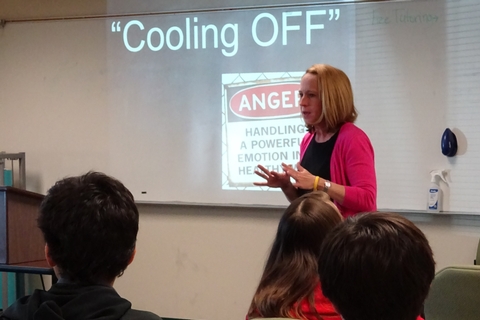
Quarantine has made it much harder to do activities that were once stress relievers. Many people use sports as stress relievers, some do group classes like yoga, and some just need time with friends and/or family to vent and connect. Not being able to do these things may make us keep our emotions inside and not express them at all. If you notice being angry or sad more than usual or even moods changing extremely through out the day, this could be you.
Isolation
We have had to isolate for safety reasons, but sometimes when our mental health is suffering, we tend to stay to ourselves. Not to be confused with being introverted or wanting alone time. Isolating, in this sense, is not wanting to be around others because of how negatively we feel about ourselves or something we are going through.
Over exerting
When we are going through tough times, we sometimes try to keep ourselves busy so that we do not have to deal with our thoughts. It looks productive to those around us, but we are suffering inside. However, when we are not able to express ourselves, we made the problem even bigger. Our emotions store in our minds and bodies and cause anxiety, depression, and even physical problems too.
How to help
In order to help with our mental health, we need to take time out of our day to check on ourselves. Use the following ways at your own leisure. Meditation is a great way to slow down and assess our bodies. There are apps that can guide you through mediation. Journaling is a classic way to get our thoughts and feelings out of our heads. You can also find journal prompts online to keep you in the habit. Also, seek a counselor or therapist if necessary. Many are able to do telehealth, so that you can meet with them through zoom or another online service.
Working with 12th graders and their families, I get this question A LOT! What if I told you your child could go to a private selective 4-year college with a list price of $73,000 per year for the amount represented on your EFC? You say, “I make too much money.” What if your EFC came back as $28,000? Would you want to fill out the FAFSA then? The answer would be YES.
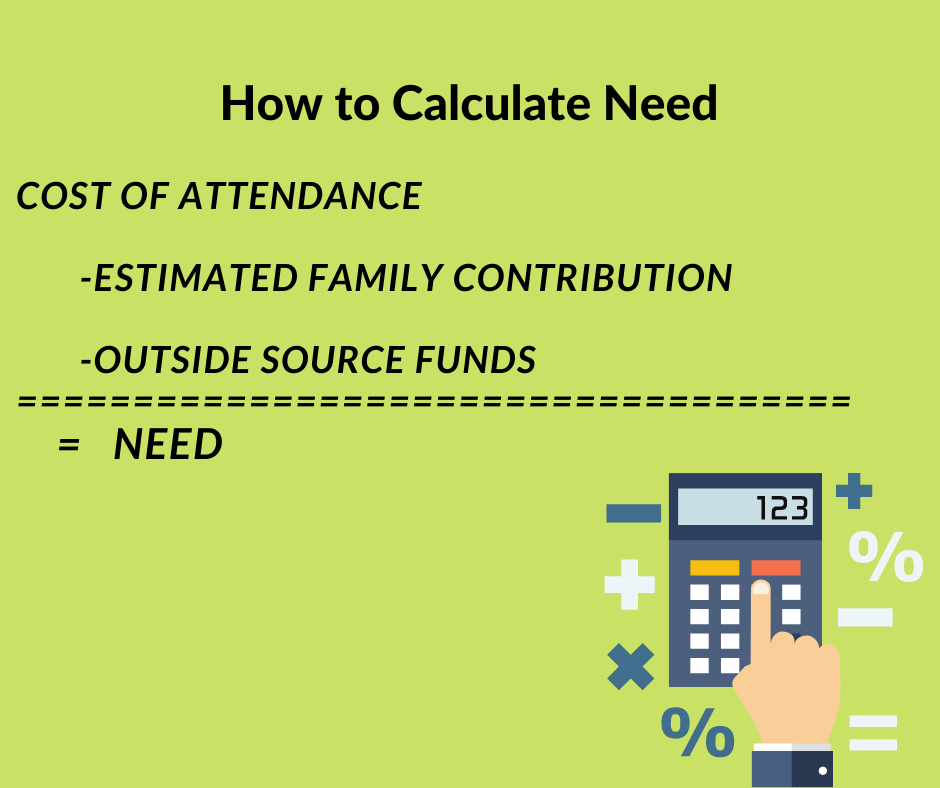
What is the FAFSA? The Free Application for Federal Student Aid. This application is what colleges and universities use to determine if a student has financial need. When you complete the FAFSA, you will receive a Student Aid Report (SAR), which shows your families Estimated Family Contribution (EFC). Based on your tax returns your EFC can range between 000000 – 999,999. The lower the number the higher the need. Families with an EFC lower than 6,000 are typically eligible for federal assistance like the Pell Grant. Colleges also use the EFC to determine use of state assistance and funding and that EFC can be higher to get access. Completing the applications not only gives access to federal aid in the form of grants but it gives all students access to federal student loans and parents access to Parent PLUS Loans.
What Determines Need:
Now I am not going to spend my time selling you on the FAFSA. There are plenty of websites and groups focused on encouraging students to complete this free application. These are the sites you want to visit to get the answer to all of your FAFSA questions.
One caution here, there are a ton of websites that want to provide you information on how to complete the FAFSA. While some might be helpful and reputable, some are trying to sell you something. How do I know? Five years ago, when I started this journey with my oldest going to college, I paid someone to help me complete the FAFSA. Back then you had to key in everything manually and they did not have the IRS Data Retrieval Tool. To be honest, I had heard so many horror stories about this process that I was afraid to try it myself. Guess what, I DID NOT NEED to pay for help. I could have saved my money. Your answers are your answers, and no one can play the system to change the outcome. If someone is telling you they can get you a lower EFC…RUN AWAY, they have some snake oil to sell. I am happy to report that using the IRS Data Retrieval tool made the next time I completed this form much easier.
If you are unable to use the IRS Data Retrieval Tool because of special circumstances, please do your research for your situation. Studentaid.gov has detailed information, instructions and videos to help. You can also reach out to your institutions financial aid department. CFNC.org is also partnering with NC schools to offer assistance. Click on the CFNC.org link in the above list to see help options.
If you are going to pay for college completely out of pocket and not utilize any student loans, work study, grants, scholarships and for some school’s merit aid, then NO don’t fill it out. Completing the FAFSA DOES give you access to:
Federal Grants
Work-Study
Subsidized student loans
Unsubsidized student loans
University need-based grants & scholarships
Merit Scholarships (Some schools require the FAFSA or awarding merit scholarships)
Crosby Scholars need-based Last Dollar Grants
Admission to some schools requires the completion of the FAFSA
Every school uses the FAFSA in some way. You really need to research the schools on your list to determine what they require and how they use it. Some schools will also require the CSS profile. There are 5 schools in NC that require this document and there is a cost associated to complete. That is a topic for a different blog. 🙂
So, to answer the first question, “Do I need to complete the FAFSA?” I would say, YES. And by the way, this is not a ONE and DONE thing. If you want access to the same funds, you will need to complete the FAFSA every year your student is planning to attend school.
Many times when we are talking about the Crosby Scholars Program, we have some people that feel that middle school is too early. Everyone is entitled to their own opinion. However, I want to take a moment to give reason to why middle school is the perfect time to start thinking about college.
Learning Yourself
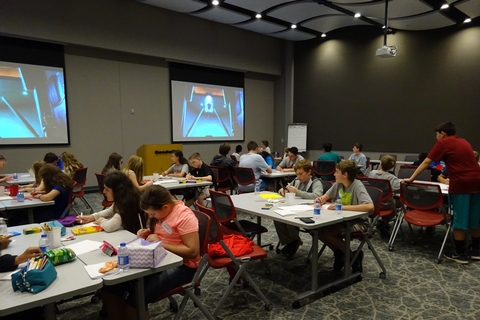
Middle school academies are geared for students to learn themselves and how they interact with their environments. We talk about the different learning styles and students are able to find ways that work best for them. This is a time when emotions are high and hard to manage for students. In order for students to have a positive learning experience, they need to learn how to manage them.
Time for Responsibility
Students in middle school have one major task in order to be successful. Becoming responsible. Students in middle school have to learn to be responsible and to understand their schedules for school and their extracurricular activities. This is a major concept when it comes to being ready for high school and college; the earlier the better! We work with our students in middle school to become responsible for their learning.
Social Interactions
We work with all public schools in Iredell County. Our in person and online academies have been a chance for students to interact with students they probably would’t meet otherwise. We have seen so many friendships spark from academies and volunteer work. When students enter college they are likely to meet people from all over the country and even the world. Being in Crosby Scholars helps students get used to meeting new people and making new friends
College Talk
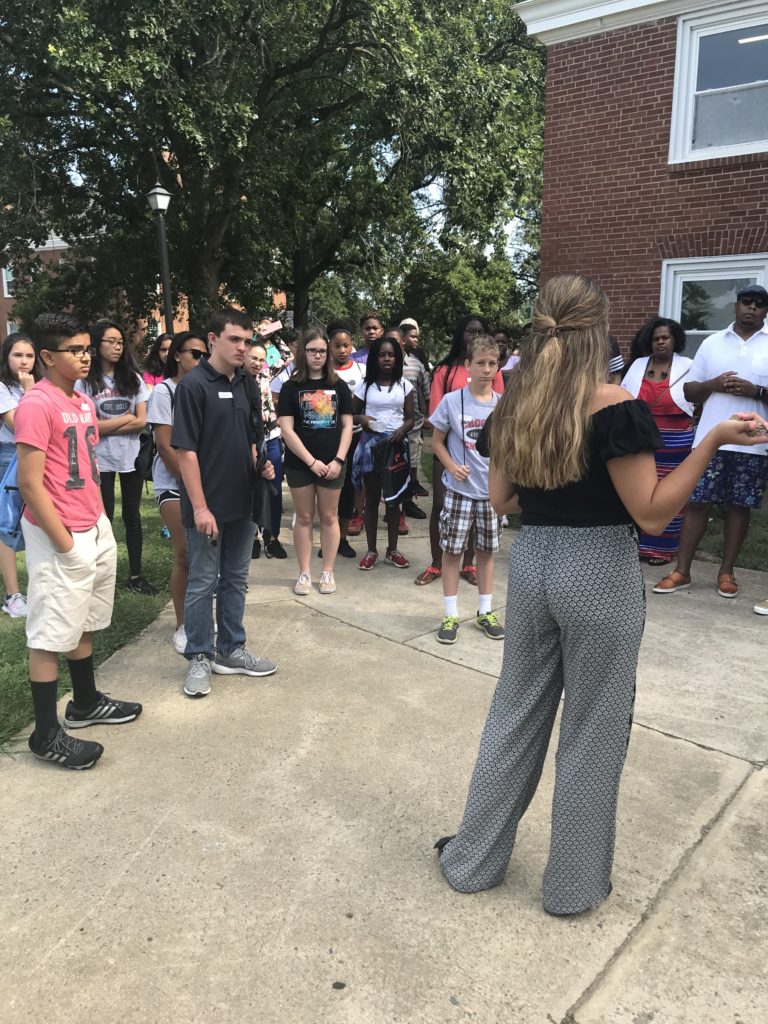
We do not want to overwhelm our students with the pressure to perform at college levels so young. We talk about careers and encourage them to expand their horizons. Our middle school college tours are to help students picture themselves on a college campus. Our goal for middle school students is to become the best version of themselves inside and outside of the classroom and also for them to be invested in their education.
If you have any questions about our middle school program please contact our Middle School Coordinator, Ashley Scott!
Throughout your time as a Crosby Scholar, you will continue to hear about the academy topics that we offer. Our personal enrichment and academic workshops are called academies and we strive to prepare topics that will prepare students for success.
The goal is to expose our students to an array of topics that will produce self-awareness, academic success, an acknowledgement of resources, and the ability to choose the right path after high school. So what are some of those topics?
Financial literacy
Time management
Study skills
ACT/SAT Prep
FAFSA completion
Essay writing
Scholarship searches
Mental health
Tips for success
Career exploration
Healthcare
Engineering
Perseverance
This list of topics does not cover all the ones we offer! We are constantly developing new topics so that our students are getting the best, most relevant information. Make sure you are logging into your Student Portal to register for an academy!
“A smart man makes a mistake, learns from it and never makes that mistake again.” – Roy H. Williams
We all make mistakes. But no matter what you mess up on, acknowledging your own errors in your work; you can still overcome your mistakes. Taking ownership of what happened and learning from them opens doors to progression.
Don’t beat yourself down over something you did, we’re human. We are not perfect. Rather than looking at mistakes as a negative situation, look at them as opportunities for growth. What these opportunities are, are ultimately up to you, but they’re endless. Ask yourself, ‘what did I mess up on and how I can improve going forward?’
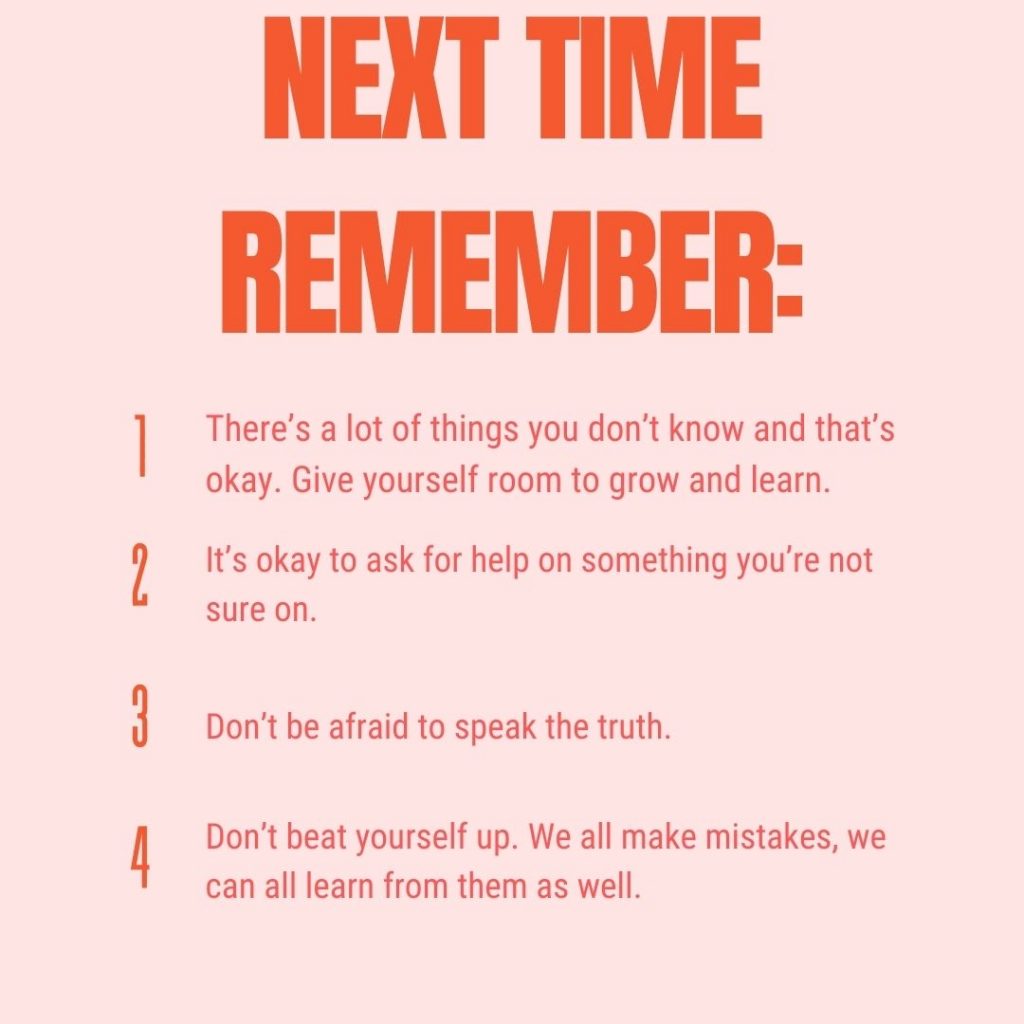
Here’s a few things to remember next time you make a mistake:
Are you the type of person who gives up after failing the first time? Do you feel defeated when life doesn’t go your way? If you are easily numbed by setbacks and are unable to reach your goals, begin to reflect on the word resilience and why it’s important. Life will always throw you curve balls and disappointment is inevitable. How can we be better prepared?
By definition, resilience is the capacity to recover quickly after enduring difficulties in life. In order to be resilient, you must take an active role in protecting yourself from the negative effects of stressors. Developing the right behaviors and positive perspectives during times of hardship will enable you to bounce back more quickly.
Think about your life. Have you struggled with the loss of a relationship? Maybe someone close to you is no longer around. Maybe you fight mental illness or perhaps you made a decision last year to hang out with the wrong group of people and you have now become the worst version of yourself. I know what you’re probably thinking out loud…”some people may not have the tools to push through hardship, Ms. Montgomery. They might not have the mental capacity or the right support system.” Well, you’re right. Regardless of your personal situation, you have the decision to develop skills that will protect you when circumstances are tough.
Accept what is and embrace change. I like to think of the word redirection. If your current strategy isn’t working, re-strategize. Know what you can control and what you can’t control in life.
Build strong relationships. Invest in people that will invest back.
Find your purpose in life.
Push in and through the problem instead of around it. Deal with the pain instead of suppressing it. You will recover more quickly.
Don’t relive the event. This will not propel you forward.
Overcome your fears. Push yourself to try things that scare you, like public speaking. This is having a growth mindset.
Practice expressive writing. You will gain new insights.
Be kind to yourself. Take care of yourself mentally and physically.
Cultivate forgiveness if someone has wronged you.
Practice meditation
When looking back on my own life, it’s helpful to identify seasons of growth. What happened during those times? Did I have a positive perspective and embrace change and new challenges? Yes. In times of hardship, how long did I stay in a broken place? How resilient was I during those times? Learn from past mistakes, press forward towards your goals, and strive to grow and learn daily.
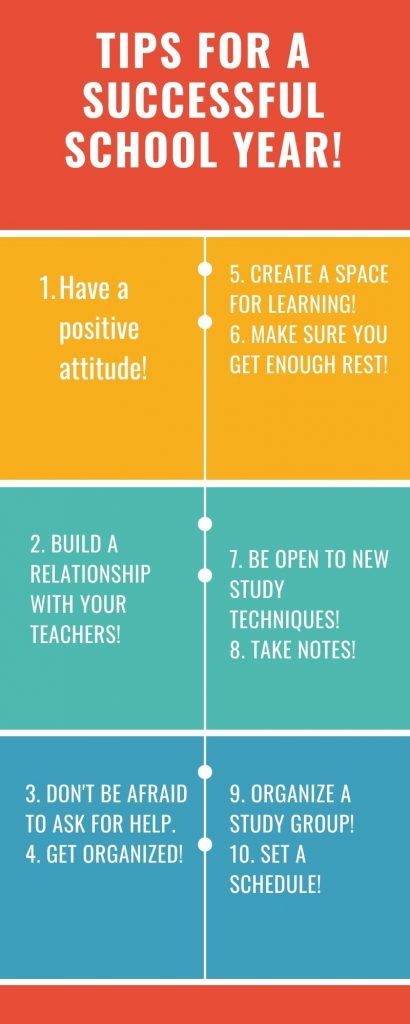
This school year will be like no other. Although COVID-19 has changed the school year for many students and teachers, we understand the transition to digital learning maybe difficult. We believe that every student has the chance to be successful and we are here to help make sure COVID-19 doesn’t stop that success. Here are a few tips we came up with to help you have a successful school year!
Remember, you got this! We’re all in this together.
The college search and application process can be a difficult one to start without knowing what your first steps should be. Parents and high school seniors tend to feel overwhelmed before beginning the process because they don’t know where to start. Crosby Scholars exists to help ease the inevitable anxiety that joins students and parents!
Here is some important advice before writing down your target list of colleges- choose the program, not the school. If you get too hung up on the school name, you might make a terrible decision. For the most part, employers look for the degree you received. They care more about the degree than the school you attended. I have worked with many seniors who have an unwavering desire to attend a specific school. Well, that dream school doesn’t always have the program or major they would like to pursue and they still choose that school. Yes, the school you attend must be a good “match” (academically and financially) and a good “fit” (desired location, size, etc), but you shouldn’t base your decision solely on the school name. Our culture tends to tell us that labels matter. Well, they don’t. Tear off the labels.
Some students are willing to go into major student loan debt because the school becomes more important than the degree. Approach this with a cost-benefit analysis. If you leave school with a debt you will struggle to ever pay back, reconsider the school you are choosing. Will the salary of your desired career enable you to pay it off in ten years? What is more important- claps for attending a school with a good reputation or a freedom from crippling school loans throughout your adulthood? Student loans ARE NOT BAD. I want to be clear about this. Make sure you are practicing SMART loan borrowing. Research, research, research! Does your dream school have the program you would like to pursue? Have you thought through the financial side of things? Do the pros outweigh the cons? Talk to several people you trust as you navigate this process.
Hi guys! My name is Ashley Scott, I’m your new Middle School Coordinator. I’m excited to join Crosby Scholars and I can’t wait to meet everyone. What attracted me to this position was that I would have the opportunity to help students prepare for college and give positive advice from my college experience. The Crosby Scholars program is important for students because they learn so many great things. Students become more involved in the community, their school and their studies. They are able to learn about the different options to pay for college and the many career paths.
I’m a North Carolina native and I graduated from Statesville High School, go Greyhounds! I received my Bachelor of Arts degree from The University of North Carolina at Greensboro and my Master’s in Communication from Morehead State University.
In my free time I enjoy being outdoors, riding my dirt-bike, walking my dogs and playing basketball. So if anyone wants to play one-on-one, this is your official challenge. 🙂
My passion has always been to help and create a positive environment. I enjoy lending a helping hand wherever it is needed. I can’t wait to see how I can help contribute to Crosby Scholars and the amazing Middle School students.